By James Walker — CFP® candidate, Boston MA · Updated January 2026
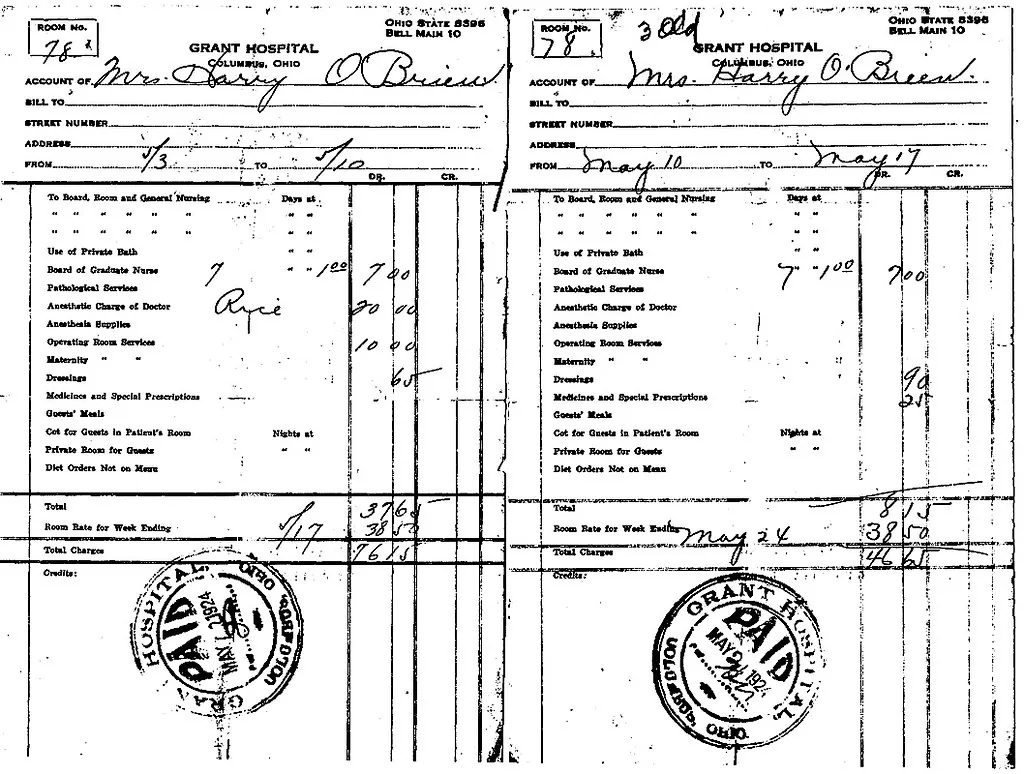
The American medical billing system is genuinely broken, and most people pay the sticker price simply because they do not know they have options. As a CFP candidate, the personal finance module spends real time on debt management, and medical debt is a category where consumer rights are stronger than most patients realize. Let me walk through the tactics that actually work.
Why are medical bills negotiable in the US?
Hospitals and providers maintain a “chargemaster” – a list of inflated prices used as a starting point. Insurance companies negotiate contracted rates that are often 30-70% lower. Uninsured or out-of-network patients can negotiate similar discounts. Per the CFPB, medical debt errors and inflated billing are widespread – one of the largest sources of consumer complaints.
Tactic 1: Request an itemized bill immediately
Studies consistently find error rates of 50-80% on hospital bills. Request the itemized bill in writing within 7 days of receiving any medical bill. Look for: duplicate charges, services you did not receive, incorrect CPT codes, charges for items normally bundled, room charges on days you were discharged. Disputing errors typically yields 10-30% savings before any negotiation.
Tactic 2: Apply for charity care / financial assistance
Per IRS Section 501(r), nonprofit hospitals are federally required to have written financial assistance policies. Many cover 100% of bills for households below 200-400% of the Federal Poverty Level (varies by hospital). For a family of 4 in 2026, 400% FPL is roughly $124,800. Apply within 240 days of first bill – that is the federal minimum window. Even private hospitals often have similar internal programs.
Tactic 3: Negotiate a prompt-pay discount
Call the billing department and offer to pay a percentage of the total in full immediately in exchange for a discount. Typical results: 20-50% off for paying upfront in cash. Script: “I can pay $X today in full to settle this account if you can adjust the balance. Can you help me with that?” Get any agreement in writing before paying.
Tactic 4: Request an interest-free payment plan
If you cannot pay a lump sum, most hospitals offer interest-free payment plans, often stretching 12-60 months. Avoid the hospital’s recommended financing partners (CareCredit, ClearPath) – these often have deferred-interest traps that retroactively charge 20%+ APR if not paid off in time. Stick with the hospital’s internal plan.
Tactic 5: Dispute the codes
CPT codes (procedures) and ICD-10 codes (diagnoses) determine billing. “Upcoding” – billing for a more expensive procedure than was performed – is a common issue. Ask for the diagnosis and procedure codes used. Look them up at CMS.gov. Disputing incorrect codes through the hospital’s compliance or patient advocate office often forces rebilling at a lower cost.
Tactic 6: Use the No Surprises Act for out-of-network billing
The No Surprises Act (effective January 2022) protects you from balance billing in emergency situations and for out-of-network providers at in-network facilities. If you received emergency care or surgery and an anesthesiologist or radiologist bills you separately as out-of-network, you can usually dispute the entire excess amount. Use the federal IDR (Independent Dispute Resolution) process.
Tactic 7: Hire a medical billing advocate for large bills
For bills over $10,000, consider hiring a medical billing advocate. They typically work on contingency (25-35% of savings) and have expertise navigating insurance, coding disputes, and negotiation. Find advocates through Alliance of Claims Assistance Professionals or AdvoConnection.
Tactic 8: Know your state’s medical debt protections
State laws vary significantly. Colorado, California, Illinois, Minnesota, New Jersey, New Mexico, New York, Texas, Vermont, Virginia, and others have enacted strong medical debt protections in recent years. Some states ban credit reporting of medical debt; others limit interest rates or require minimum hospital financial assistance. Check your state attorney general’s website.
What about medical debt on my credit report?
As of 2023, the three major credit bureaus removed medical debt under $500 from credit reports entirely. Paid medical collections are also removed. The CFPB has proposed removing all medical debt from credit reports – check current status. Even if it remains, FICO 9 and VantageScore 4.0 treat medical collections less harshly than other debt.
Should I pay medical debt with a credit card?
Almost never. Putting medical debt on a credit card converts it to consumer debt with 20-30% APR, removes any medical debt credit protections, and forfeits your ability to negotiate. Use the hospital’s own interest-free payment plan instead.
What if a medical bill goes to collections?
Per the CFPB Fair Debt Collection Practices Act, you can: request written debt validation within 30 days, negotiate a reduced settlement (collections agencies often accept 30-60% of face value), require all communications in writing, and dispute inaccurate collections with credit bureaus. Settled medical collections must be reported as such; paid medical collections are removed from credit reports entirely under recent rules.
Related Reading on FinanceFernly
- Healthcare costs in retirement
- How credit scores work
- Building an emergency fund
- Improve credit score in 90 days
Frequently Asked Questions
How long do I have to dispute a medical bill?
You generally have 30 days to dispute a medical debt under the Fair Debt Collection Practices Act once it appears in collections, but you can negotiate the original bill at any time. Charity care applications must typically be submitted within 240 days of the first post-discharge bill per IRS 501(r) rules. The sooner you act, the more leverage you have.
Can hospitals refuse to negotiate?
Legally, no rule forces hospitals to negotiate, but the vast majority will because the alternative is sending the bill to collections and recovering pennies on the dollar. The key is asking the right question to the right person – the billing department, not the patient registration desk. If denied, escalate to the patient advocate office.
Should I ignore a medical bill if I cannot pay?
Never. Unpaid medical bills get sent to collections, can result in lawsuits, and in some states can result in wage garnishment or property liens. Always communicate with the provider. Even saying ‘I cannot pay this in full but I can pay $X/month starting next month’ keeps the account out of collections.
Does paying off medical collections remove them from my credit report?
Yes, as of 2022-2023 the three major credit bureaus remove paid medical collections from credit reports entirely. Medical debt under $500 was also removed. This is a major win for consumers – in the past, paid collections continued to damage credit for 7 years.
What is balance billing and is it legal?
Balance billing is when an out-of-network provider bills you for the difference between what they charge and what your insurance pays. The No Surprises Act made this illegal for emergency services and for out-of-network providers at in-network facilities starting January 2022. Outside those situations, balance billing can be legal depending on state law and the provider relationship.
Final thoughts from a CFP candidate
Medical bills are the most negotiable form of debt most Americans encounter. The system assumes you will pay the chargemaster price; the system is wrong. Request the itemized bill, apply for financial assistance, ask for prompt-pay discounts, and never put medical debt on a high-APR credit card.
If you have insurance, also fight your EOB (Explanation of Benefits). If the insurance company denied coverage you believe should have been paid, appeal in writing within the deadline (typically 180 days). Internal appeals overturn denials 40-60% of the time when properly documented.
