By James Walker — CFP® candidate, Boston MA · Updated January 2026
Robo-advisors get sold as the silver bullet for beginner investors, and they are genuinely useful – but they are not magic. As I work through the CFP investments curriculum, what I keep coming back to is that the underlying portfolios are mostly the same low-cost ETFs you could buy yourself in a Vanguard or Fidelity account. The robo charges you a small fee for automation, rebalancing, and (in taxable accounts) tax-loss harvesting. Let me compare the three biggest US players honestly.
What is a robo-advisor?
A robo-advisor is an automated investment platform that builds and manages a diversified portfolio based on your goals, risk tolerance, and time horizon. You answer 8-15 questions, the algorithm allocates your money across low-cost ETFs (typically Vanguard, Schwab, or iShares), and it automatically rebalances and (for taxable accounts) harvests tax losses. Per the SEC’s robo-advisor investor bulletin, robos are registered investment advisers subject to fiduciary duty.
How much do robo-advisors cost?
Betterment charges 0.25%/year for the Digital plan ($0 minimum) or 0.65% for Premium ($100K minimum, includes human advisor access). Wealthfront charges 0.25%/year flat ($500 minimum). Schwab Intelligent Portfolios charges 0% management fee but requires $5,000 minimum and parks 6-30% of your portfolio in cash earning low yield – effectively a hidden cost. Vanguard Digital Advisor charges 0.20% ($3,000 minimum). Fidelity Go is free under $25,000 and 0.35% above.
For a $50,000 account, 0.25% = $125/year. That is dramatically less than the 1-1.5% a traditional human advisor charges, but more than the near-zero cost of a self-managed Vanguard target-date fund (expense ratio 0.08%).
What is tax-loss harvesting and does it matter?
Tax-loss harvesting (TLH) automatically sells losing positions to realize capital losses, which offset capital gains and up to $3,000/year of ordinary income per IRS Topic 409. The robo then buys a similar (but not identical) ETF to avoid the 30-day wash-sale rule. Betterment and Wealthfront both offer automated TLH. Schwab offers it only on accounts above $50,000. Vanguard Digital does not offer TLH at all.
TLH only matters in taxable brokerage accounts – not in IRAs or 401(k)s where gains are already tax-sheltered. For a high-income investor in the 24%+ bracket with a large taxable account, TLH can add 0.5-1% in after-tax returns annually. For a beginner with a $5,000 Roth IRA, it does not matter at all.
Betterment – best for goal-based planning
Betterment shines at goal-based investing – you can set up multiple goals (retirement, house, emergency fund) each with its own asset allocation and timeline. Cash Reserve account paid 4.50% APY as of January 2026. Socially Responsible Investing (SRI) portfolios available. The Premium tier at $100K minimum includes unlimited access to CFP professionals.
Wealthfront – best for tax optimization and features
Wealthfront offers the most aggressive TLH (including direct indexing at $100K+ which extends TLH to individual stocks), a high-yield cash account at 5.00% APY (per January 2026 figures), 529 college savings plan integration, and lending against your portfolio. Strong choice for higher-balance investors.
Schwab Intelligent Portfolios – best for existing Schwab users
Schwab charges 0% management fee but holds 6-30% of your portfolio in cash earning the Schwab Bank deposit rate (which has historically lagged top high-yield savings accounts). For a $50,000 portfolio with 10% cash drag at 1% below market, that hidden cost is roughly $50-100/year – similar to Betterment’s explicit fee. The $5,000 minimum is restrictive for beginners.
Should beginners use a robo-advisor or buy a target-date fund?
Honest answer: for someone starting with under $10,000 in a Roth IRA, a Vanguard Target Retirement Fund (VFIFX for 2050, expense ratio 0.08%) does essentially the same job for 0.17% less per year. The robo wins when you have a taxable account where TLH matters, or when you genuinely will not invest without the hand-holding of a guided onboarding.
Are robo-advisors safe?
The big three are registered with the SEC, custody assets at established brokers (Apex Clearing, Schwab, BNY Mellon), and provide SIPC insurance up to $500,000 per account ($250,000 cash limit) per SIPC. Note SIPC protects against broker failure, not market losses. The robo itself cannot disappear with your money – it can only manage what you have deposited with the underlying custodian.
Related Reading on FinanceFernly
- What is an index fund?
- Best investment apps for beginners
- Three-fund portfolio basics
- Dollar-cost averaging explained
Frequently Asked Questions
What is the minimum to start with a robo-advisor?
Betterment has no minimum. Wealthfront requires $500. Schwab Intelligent Portfolios requires $5,000. Vanguard Digital Advisor requires $3,000. Fidelity Go has no minimum but charges nothing under $25,000. For absolute beginners with under $1,000, Betterment or Fidelity Go are the easiest starting points.
Are robo-advisors better than human financial advisors?
For accounts under $250,000 with straightforward goals, robos provide most of the value (asset allocation, rebalancing, tax-loss harvesting) at a fraction of the cost. Human advisors add value for complex situations: estate planning, business sale, equity compensation, divorce, retirement income drawdown. The right choice depends on complexity, not just account size.
Can I lose money in a robo-advisor?
Yes. Robo-advisors invest in stocks and bonds via ETFs, and those assets fluctuate with the market. A 60/40 stock-bond portfolio could lose 20-30% in a severe bear market. The robo will not protect you from market drawdowns – it only handles the mechanics of allocation, rebalancing, and tax efficiency. Always invest with a 5+ year horizon.
Should I use a robo-advisor for my IRA or just buy a target-date fund?
For a single retirement goal with a long time horizon, a target-date fund at Vanguard/Fidelity/Schwab does 90% of what a robo does at lower cost (0.08% vs 0.25%). The robo wins for multi-goal planning, taxable account tax optimization, or if you genuinely will not invest without guided onboarding. Both are vastly better than not investing.
Do robo-advisors give tax advice?
No. They handle automated tax-loss harvesting within the account but do not file your taxes or advise on tax strategy across your full financial picture. They will provide a 1099 at year-end summarizing realized gains and losses, which you give to your CPA or input into tax software.
Final thoughts from a CFP candidate
Robo-advisors are a good product, not a magical one. They beat sitting in a 1.5%-fee actively-managed mutual fund. They charge slightly more than DIY target-date investing. For most beginners with a Roth IRA and a single retirement goal, a target-date fund is the cheapest path. For someone with a $30K+ taxable account who wants automated tax-loss harvesting, a robo earns its fee. Choose based on your actual situation, not the marketing.
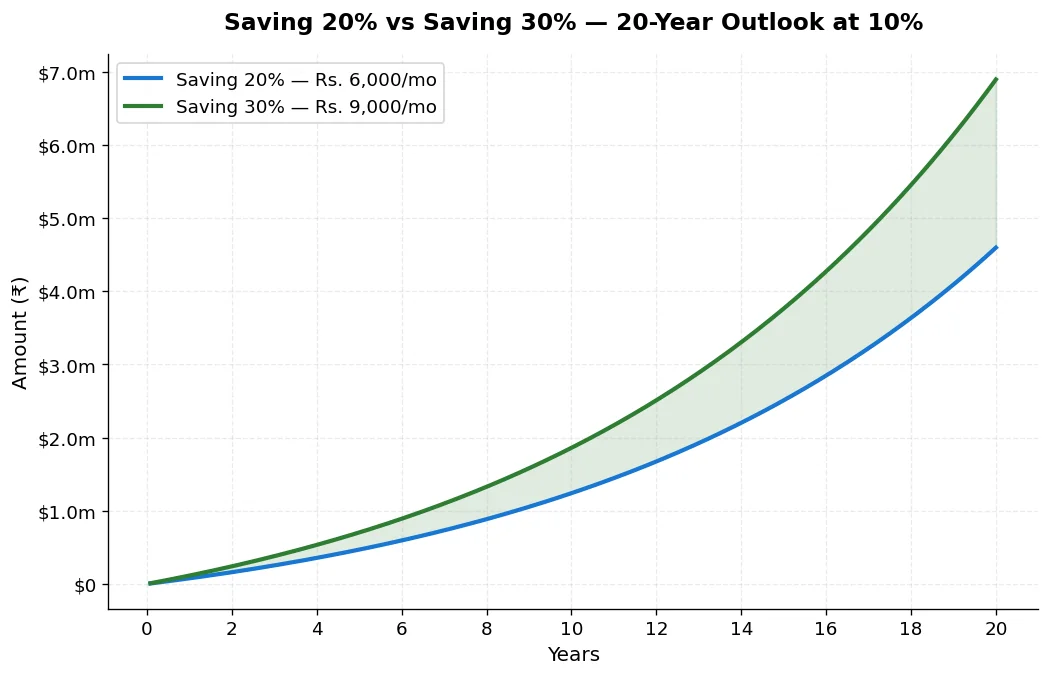
Whatever you pick, the most important variable is your contribution rate. Saving 15% of income into a mediocre portfolio crushes saving 3% into a perfectly optimized one. Get the savings rate right first; optimize the fees second.
