By James Walker — CFP® candidate, Boston MA · Updated January 2026
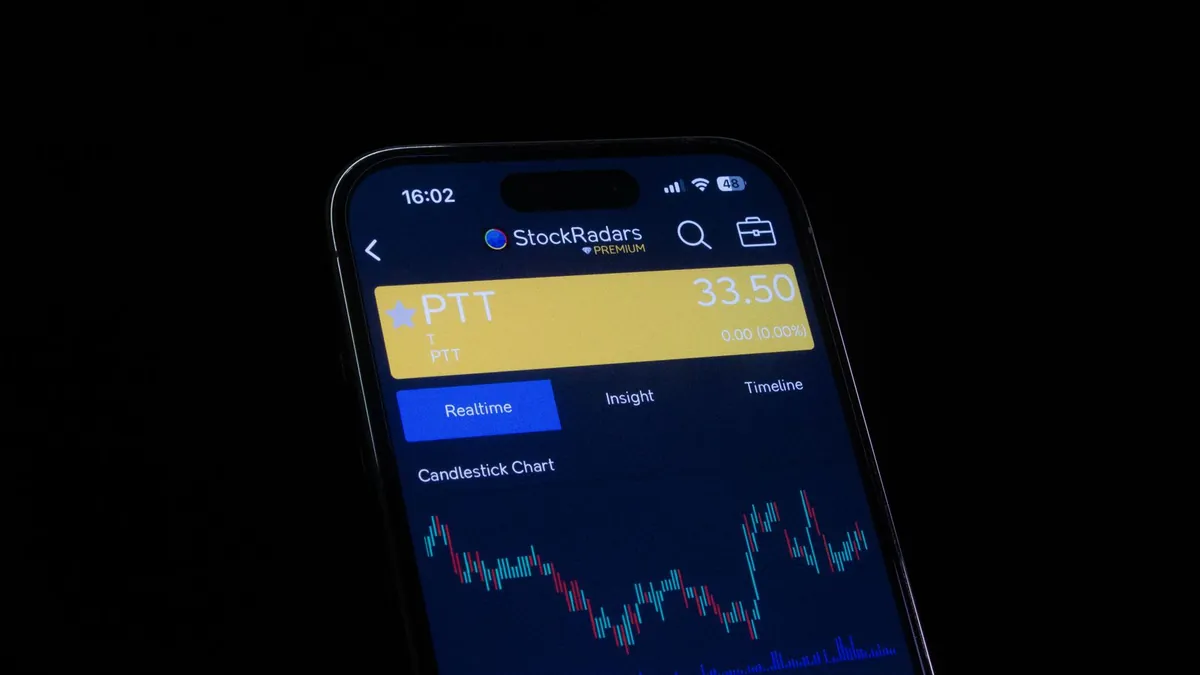
The app you pick to open your first brokerage account matters less than people think, but more than the marketing suggests. Fidelity, Schwab, and Robinhood are the three apps I see most often in CFP case studies and personal recommendations. Each has real strengths and real trade-offs. Let me compare them honestly for a true beginner.
What should a beginner investment app offer?
- $0 commission trades on stocks and ETFs (all three offer this)
- Fractional shares for accessibility on small balances
- Multiple account types: taxable brokerage, Roth IRA, Traditional IRA, sometimes 529 and HSA
- Low-cost index fund options
- Strong mobile app UX
- Educational resources for beginners
- Customer support that responds
- SIPC insurance and FINRA member status
Per FINRA, all three (Fidelity, Schwab, Robinhood) are member broker-dealers in good standing.
Fidelity – best overall for beginners
Fidelity has been my default recommendation for new investors during CFP studies. Strengths:
- Zero-expense-ratio index funds: FZROX (total US market), FZILX (international), FNILX (large-cap), FZIPX (mid/small) all charge 0%
- Excellent mobile app with strong educational content
- Customer service phone lines staffed 24/7
- HSAs available alongside retirement accounts (one of few brokers)
- Cash management account with debit card, ATM rebates, bill pay
- Robust research from in-house analysts and third parties
Weaknesses: app can feel dense for absolute beginners; some features take navigation to find.
Charles Schwab – excellent runner-up
Schwab is essentially equivalent to Fidelity in features for most beginners. Strengths:
- Schwab US Broad Market ETF (SCHB) at 0.03% expense ratio – excellent core holding
- Strong banking integration: Schwab Bank Investor Checking has no foreign transaction fees and ATM rebates worldwide
- Excellent research tools and screeners
- Schwab Intelligent Portfolios robo-advisor for hands-off investing
- Acquired TD Ameritrade’s powerful thinkorswim platform for advanced traders
Weaknesses: target-date funds are slightly more expensive than Fidelity’s; mobile app slightly less polished.
Robinhood – good for casual experimenters
Robinhood pioneered $0 commission trading and remains the most beginner-friendly interface. Strengths: dead-simple app, fractional shares from $1, instant deposits up to $1,000, gold tier offers high-yield cash and IRA match (1-3%). Weaknesses are significant:
- No mutual funds (only ETFs and individual stocks)
- Customer service primarily through email/chat
- History of payment-for-order-flow issues, FINRA fines, and the 2021 GameStop trading halt controversy
- App design has been criticized for “gamification” of trading per SEC reports
- Cash sweep program shifts deposits to partner banks (still FDIC-insured but adds a step)
Which app should I open my Roth IRA at?
For a Roth IRA, I would strongly recommend Fidelity or Schwab over Robinhood. The reason: Roth IRAs are decades-long accounts holding low-cost index funds for retirement. Fidelity’s zero-expense-ratio funds (FZROX) and Schwab’s near-zero ETFs (SCHB at 0.03%) save you meaningful money over 30+ years vs the typical 0.07-0.10% expense ratio on ETFs you would hold at Robinhood. And Fidelity/Schwab customer service is dramatically better when you need help.
What about other apps – Vanguard, M1 Finance, Webull, SoFi?
- Vanguard: excellent funds but a dated app and clunkier UX. Great for hands-off long-term investors who do not mind a slower interface.
- M1 Finance: pie-based portfolio investing, automatic rebalancing. Good for set-and-forget but charges $3/mo for some features.
- Webull: active-trader-focused, with advanced charting. Overkill for beginners.
- SoFi: good integration with their banking/loan products. Limited fund selection.
- E*TRADE: owned by Morgan Stanley, solid platform, slightly behind Fidelity/Schwab.
What are SIPC limits and what do they cover?
Per SIPC, member brokers provide protection up to $500,000 per customer ($250,000 cash limit) in case the broker fails. SIPC does NOT cover market losses – it covers broker failure or fraud. All three apps are SIPC members. Many brokers also carry excess SIPC insurance through Lloyd’s of London for protection above the $500K limit.
How do I open an account?
The application takes 10-15 minutes online. Required: Social Security Number, date of birth, employment info, address, and bank account for funding. Most accounts approve instantly. Initial funding via ACH transfer (1-3 business days) or wire (same-day, usually fee). No minimums to open at any of the three.
Related Reading on FinanceFernly
Frequently Asked Questions
Is Robinhood safe?
Robinhood is SIPC-insured and FINRA-regulated, but the company has had multiple regulatory issues – SEC and FINRA fines for misleading customers, the controversial 2021 GameStop trading restriction, and gamification concerns. Your assets are protected, but the company’s culture has drawn legitimate criticism. For long-term retirement money, Fidelity or Schwab are safer choices.
Can I have accounts at multiple brokers?
Yes. Many investors use Fidelity for retirement (HSA + Roth IRA + 401k rollover), Schwab for banking integration, and a smaller account at Robinhood for hobby experimentation. Each broker independently provides SIPC coverage. The only downside is more accounts to track at tax time.
Do I need to pay taxes on stock app activity?
Yes for taxable brokerage accounts – the broker issues a 1099-B at year end showing all sales and gains/losses. Roth IRA and Traditional IRA activity is not reported on Schedule D (no current-year tax impact). Capital gains in taxable accounts are taxed at short-term (held under 1 year, ordinary income rates) or long-term (held over 1 year, 0/15/20% rates) per IRS rules.
What is the minimum to start investing?
Zero at Fidelity, Schwab, and Robinhood for a basic account. Fractional shares let you buy any stock or ETF for as little as $1. Most index funds can be purchased with no minimum. The bigger constraint is having enough to make ongoing contributions meaningful – $25-50/month is a reasonable starting point.
Are there any account fees I should worry about?
Modern brokers have eliminated most account fees: no commission on stocks/ETFs, no annual maintenance fees, no inactivity fees at Fidelity/Schwab. Watch out for: foreign transaction fees on debit cards (Schwab Bank waives), mutual fund expense ratios (the fund’s internal cost), and outgoing wire fees if you move money to another broker.
Final thoughts from a CFP candidate
For a true beginner starting their first investment account in 2026, Fidelity is my default recommendation. Excellent zero-expense-ratio index funds, 24/7 customer service, HSA availability alongside retirement accounts, and a polished app make it the highest-value option. Schwab is essentially equivalent. Robinhood is fine for casual experimentation but I would not park a long-term Roth IRA there.
The app matters far less than your behavior. Open the account, automate monthly contributions to a low-cost target-date or S&P 500 index fund, and check it twice a year. The boring strategy is the one that builds wealth over decades.
